
Feeling bloated occasionally is common. But when your stomach regularly feels swollen, tight or uncomfortably full, it is natural to wonder why it keeps happening.
Bloating can have many possible explanations. Sometimes it relates to meal size, eating quickly or foods that produce more gas during digestion. Constipation, food intolerances and digestive conditions such as irritable bowel syndrome (IBS) can also contribute.
Rather than immediately removing foods from your diet, it can be more useful to look at the pattern. When does your bloating happen? What other symptoms occur alongside it? Does it change after a bowel movement, around your period or following particular meals?
What Does It Mean If You Feel Bloated A Lot?
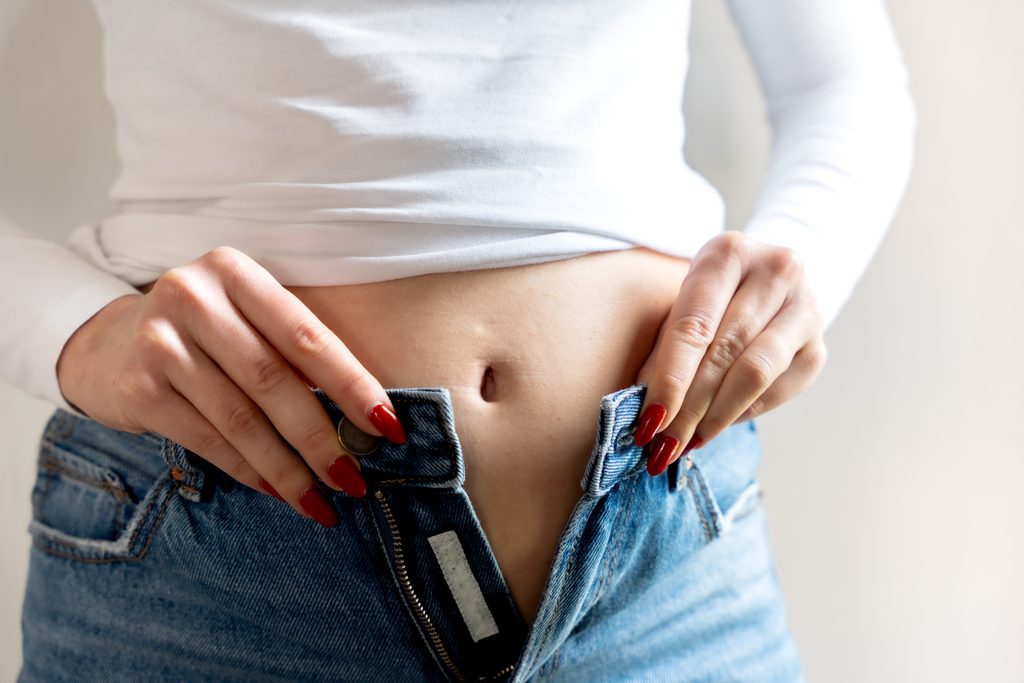
Bloating describes the sensation of your abdomen feeling full, stretched or uncomfortable. You may also notice wind, rumbling or visible abdominal swelling.
The NHS explains that the most common reason for bloating is having a lot of gas in the gut. Constipation, food intolerance, coeliac disease and IBS can also cause it.
The important point is that bloating is a symptom, not a diagnosis. If it keeps happening, the timing and accompanying symptoms can provide useful clues about what to do next.
What Does The Pattern Of Your Bloating Tell You?
Instead of asking only, “What food is making me bloated?”, consider when your symptoms occur.
Are You Bloated Straight After Eating?
Feeling particularly full after eating may be influenced by meal size, eating quickly or swallowing air. Fizzy drinks can add gas too.
Try slowing down, chewing thoroughly and noticing whether smaller meals feel different.
If bloating after meals is persistent or accompanied by other symptoms, speak to your GP rather than continually removing foods yourself.
Does Your Bloating Build Up During The Day?
Some people wake without much bloating but notice it increases towards the evening.
A short food and symptom diary can help. Record meals, approximate portions, bowel movements and when bloating appears. You may notice connections with meal size, particular foods or bowel habits.
The aim is to find patterns, not create an ever-growing list of foods to avoid.
Are You Bloated And Constipated?
Constipation can contribute to abdominal fullness and bloating.
Fibre may support normal bowel function, but suddenly increasing it can temporarily increase gas. Our guide to increasing fibre without triggering bloating explains how to introduce fibre more gradually.
Adequate fluid intake and regular movement can also support normal bowel function.
Do You Have Bloating With Pain Or Changes In Bowel Habits?
Bloating can occur alongside IBS, particularly when there is abdominal pain, constipation, diarrhoea or a mixture of the two.
However, bloating alone does not mean you have IBS.
If you already experience recurring digestive symptoms, read our guide to nutrition for IBS and digestive discomfort for more information.
Does Your Bloating Change Around Your Period?
Some people notice bloating at particular stages of their menstrual cycle.
Tracking digestive symptoms alongside your cycle may help identify a pattern. However, persistent or unexplained bloating should not automatically be attributed to hormones.
Should You Cut Out Foods When You Feel Bloated?
It can be tempting to eliminate gluten, dairy or other food groups as soon as bloating becomes troublesome.
That is not always necessary.
Consider portion size, eating speed, constipation and whether the same food reliably causes symptoms on different occasions.
Removing numerous foods without a clear reason can make your diet unnecessarily restrictive and make it more difficult to meet your nutritional needs.
What Can You Try For Everyday Bloating?
If your bloating is occasional and you have no concerning symptoms, you could try:
- Eating more slowly and chewing thoroughly
- Avoiding unusually large meals
- Reducing fizzy drinks
- Drinking adequate fluids
- Staying physically active
- Increasing fibre gradually
- Keeping a short food, bowel and symptom diary
Change one or two things at a time. Changing everything at once makes it difficult to identify what actually helps.
When Should Bloating Be Checked By A GP?
Persistent bloating should not simply be accepted as normal.
The NHS guidance on bloating recommends seeing a GP if you are regularly bloated, dietary changes have not helped or the bloating does not go away.
Medical advice is particularly important if bloating occurs with symptoms such as unexplained weight loss or blood in your poo. Severe or sudden abdominal pain, vomiting, a high temperature or being unable to poo or pass wind can require more urgent assessment.
Frequently Asked Questions About Bloating
Why Am I Bloated Even When I Have Not Eaten Much?
Food quantity is only one factor. Gas, constipation, swallowed air and digestive conditions can contribute. Regular unexplained bloating should be discussed with your GP.
Why Do I Get Bloated Every Time I Eat?
Look at meal size, eating speed, bowel habits and other symptoms rather than assuming you have a food intolerance. Persistent symptoms should be medically assessed.
Can Constipation Cause Bloating?
Yes. Constipation can contribute to abdominal fullness and bloating.
Is Bloating Always Caused By Food?
No. Diet can influence bloating, but constipation, swallowed air, digestive conditions and menstrual changes can also play a role.
Look For The Pattern Before Restricting Your Diet
When bloating keeps returning, the answer is not necessarily to remove more foods.
Start by noticing when symptoms occur, what accompanies them and whether bowel habits, portions or particular foods change the pattern.
Livingspring Wellbeing offers personalised nutritional support in Aberdeen and online for people experiencing recurring digestive concerns. Nutritional therapy does not replace medical diagnosis, but it can help you explore your diet and digestive patterns alongside appropriate medical care.
Book a free nutrition consultation to discuss your digestive concerns and appropriate next steps.