
Antibiotics treat bacterial infections but can also affect beneficial bacteria in your digestive system. Some people experience bloating, diarrhoea or changes in bowel habits during or after treatment.
To support your gut after antibiotics, focus on a varied diet, fibre-rich foods, adequate hydration and gradually returning to your usual eating habits. Fermented foods may also be beneficial for some people.
At Livingspring Wellbeing, we encourage a practical, food-first approach to digestive health.
What Happens to Your Gut After Antibiotics?
Your digestive system contains trillions of microorganisms, collectively known as the gut microbiome. These help break down certain foods and interact with your immune system.
Antibiotics can affect these microorganisms, potentially causing:
- Bloating and increased wind
- Loose stools or diarrhoea
- Abdominal discomfort
- Changes in bowel habits
Many bacterial populations begin recovering within weeks, although some changes may last for months. Recovery depends on the antibiotic used, treatment duration and individual health.
What Should You Eat to Support Your Gut After Antibiotics?
A balanced diet provides nutrients and variety needed for normal digestive function. Everyday foods are a sensible starting point.
Include More Fibre-Rich Foods
Certain gut bacteria use dietary fibre as an energy source, producing compounds that support normal intestinal function.
Useful foods include:
- Oats and wholegrains
- Beans, lentils and chickpeas
- Apples, pears and berries
- Vegetables
- Nuts and seeds
Dietary variety is important, but increasing fibre too quickly can worsen bloating. Start with smaller portions and increase gradually.
Our guide to increasing fibre without bloating offers practical advice.
Try Fermented Foods
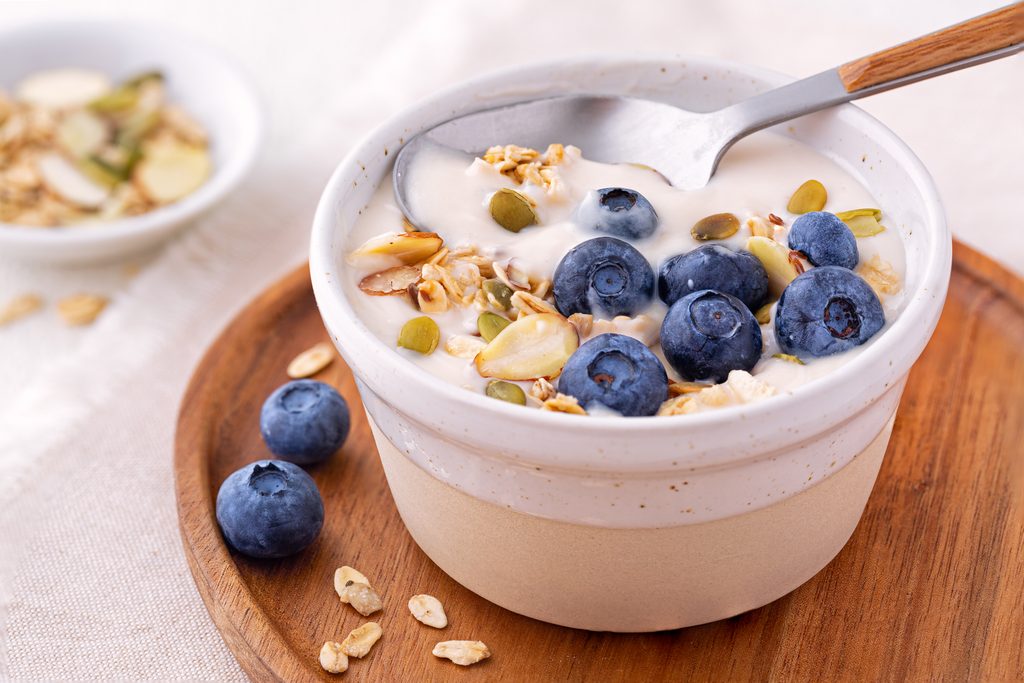
Fermented foods may provide live microorganisms and contribute to dietary variety.
Examples include:
- Live yoghurt
- Kefir
- Sauerkraut containing live cultures
- Kimchi
Evidence that fermented foods specifically accelerate microbiome recovery after antibiotics remains limited.
Introduce them gradually if tolerated. People with weakened immune systems should seek medical advice before consuming unpasteurised fermented products.
Choose Foods Containing Prebiotic Fibres
Prebiotics are substances used by beneficial microorganisms that provide a health benefit.
Food sources include:
- Onions and garlic
- Leeks and asparagus
- Oats
- Bananas
Some prebiotic-rich foods can increase bloating, particularly for people with irritable bowel syndrome (IBS). Choose alternatives if they cause discomfort.
Stay Hydrated and Eat Regularly
Hydration is particularly important if antibiotics have caused loose stools.
Drink water regularly and choose balanced meals containing protein, carbohydrates, vegetables and healthy fats.
If your digestion feels unsettled, begin with familiar, easily tolerated foods.
A Simple Food-First Eating Plan
| Meal | Food Example |
| Breakfast | Porridge with berries and ground flaxseed |
| Lunch | Vegetable soup with wholegrain bread |
| Snack | Live yoghurt or a suitable alternative |
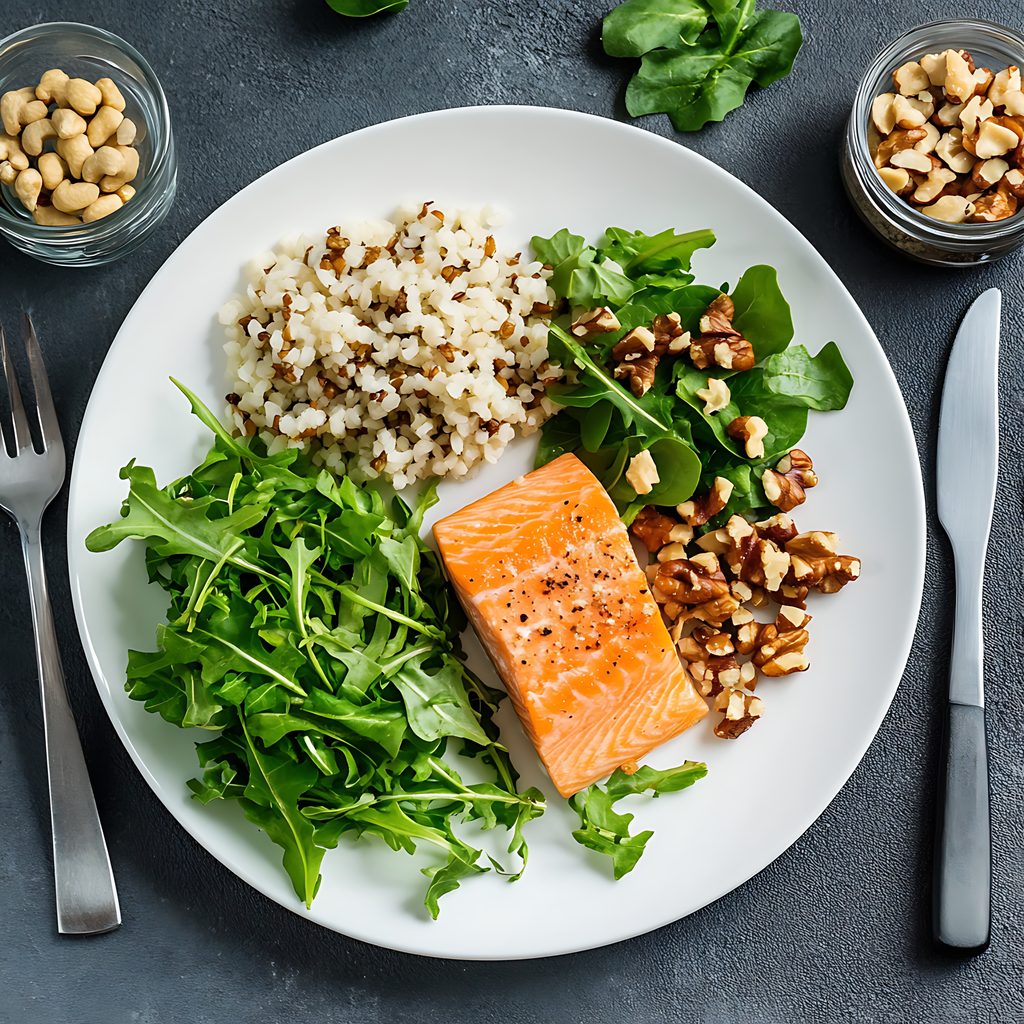
| Dinner | Salmon, brown rice and cooked vegetables |
| Drinks | Water throughout the day |
Adapt these suggestions to your nutritional needs and digestive tolerance.
Should You Take Probiotics After Antibiotics?
Probiotics are live microorganisms that provide a health benefit when taken in adequate amounts.
Some strains may help reduce antibiotic-associated diarrhoea, although benefits depend on the strain, dose and individual circumstances.
Probiotics do not guarantee faster microbiome recovery.
People with weakened immune systems or complex medical conditions should seek medical advice before taking them.
A varied diet remains a sensible starting point.
Common Mistakes to Avoid After Antibiotics
Common mistakes include:
- Increasing fibre too quickly: This can worsen bloating.
- Taking unnecessary supplements: More does not necessarily mean better.
- Following restrictive diets: These can reduce nutritional variety.
- Ignoring persistent symptoms: Digestive problems may have other causes.
Introduce dietary changes gradually and monitor your symptoms.
When Should You Seek Medical Advice?
Diarrhoea during or after antibiotics can occasionally indicate a serious infection, including Clostridioides difficile (C. difficile).
Contact your GP or NHS 111 promptly if you develop diarrhoea during or after antibiotic treatment, particularly if it persists or is accompanied by abdominal pain or fever.
Seek urgent medical help for severe abdominal pain, bloody stools, significant dehydration or rapidly worsening symptoms.
Do not stop prescribed antibiotics without consulting your prescriber. Avoid anti-diarrhoeal medicines such as loperamide if C. difficile is suspected unless advised by a healthcare professional.
Frequently Asked Questions About Gut Health After Antibiotics
How Long Does It Take for Gut Bacteria to Recover?
Many bacterial populations begin recovering within weeks, although some changes may persist for months.
What Is the Best Food to Eat After Antibiotics?
Aim for a varied diet containing vegetables, fruit, wholegrains, protein and fibre-rich foods you tolerate comfortably.
Does Yoghurt Help Restore Gut Bacteria?
Live yoghurt contains microorganisms, but evidence does not establish that it reliably restores the gut microbiome after antibiotics.
Can Antibiotics Cause Bloating After Treatment?
Yes. Bloating and altered bowel habits can occur after antibiotics. Persistent symptoms should be medically assessed.
Supporting Your Digestive Health Moving Forward
Supporting your gut after antibiotics involves returning to balanced eating habits, gradually increasing fibre and staying hydrated.
At Livingspring Wellbeing, we recognise that digestive health is individual. Personalised nutritional guidance can help address ongoing dietary concerns alongside appropriate medical care.
Explore our nutritional support for digestive problems to learn how we may help you develop an approach suited to your needs.