
Skin health is often viewed as purely cosmetic. However, the condition of your skin frequently reflects what is happening inside the body. Factors such as digestion, hormone balance, nutrient intake, and inflammation can all influence how the skin looks and feels.
Understanding personalised nutrition for skin health allows a more targeted approach to supporting the skin from within. Instead of relying solely on topical treatments, nutrition strategies can help address internal factors that may contribute to issues such as acne, dryness, redness, or premature ageing.
For many individuals in Aberdeen, persistent skin concerns may be connected to diet, stress, gut health, or nutrient insufficiencies. When these underlying factors are identified and supported, improvements in skin appearance often follow.
A personalised approach to skin health nutrition focuses on the individual rather than applying a one-size-fits-all plan. By understanding your unique physiology and lifestyle, nutritional strategies can help support clearer, healthier skin over time.

How Does Nutrition Influence Skin Health?
Your skin is the body’s largest organ and requires a constant supply of nutrients to maintain structure, repair tissue, and protect against environmental stressors.
Nutrients involved in nutrition for healthy skin include vitamins, minerals, fatty acids, and antioxidants. These nutrients support processes such as collagen production, inflammation regulation, and cellular repair.
Several nutrients are particularly important for skin health:
- Vitamin C – supports collagen production and antioxidant protection
- Zinc – helps regulate inflammation and skin repair
- Omega-3 fatty acids – support skin barrier function
- Vitamin A – supports skin cell turnover
- Vitamin E – protects skin cells from oxidative stress
A balanced diet that includes a wide range of whole foods provides many of these nutrients naturally.
Why Can Skin Problems Be Linked to Diet?
Skin concerns are often influenced by internal factors. Nutritional patterns, digestive health, and hormonal balance can all affect how the skin functions.
Some dietary factors that may influence skin health include:
- Blood sugar fluctuations
- Low intake of essential nutrients
- Gut microbiome imbalance
- Chronic inflammation
- Food sensitivities
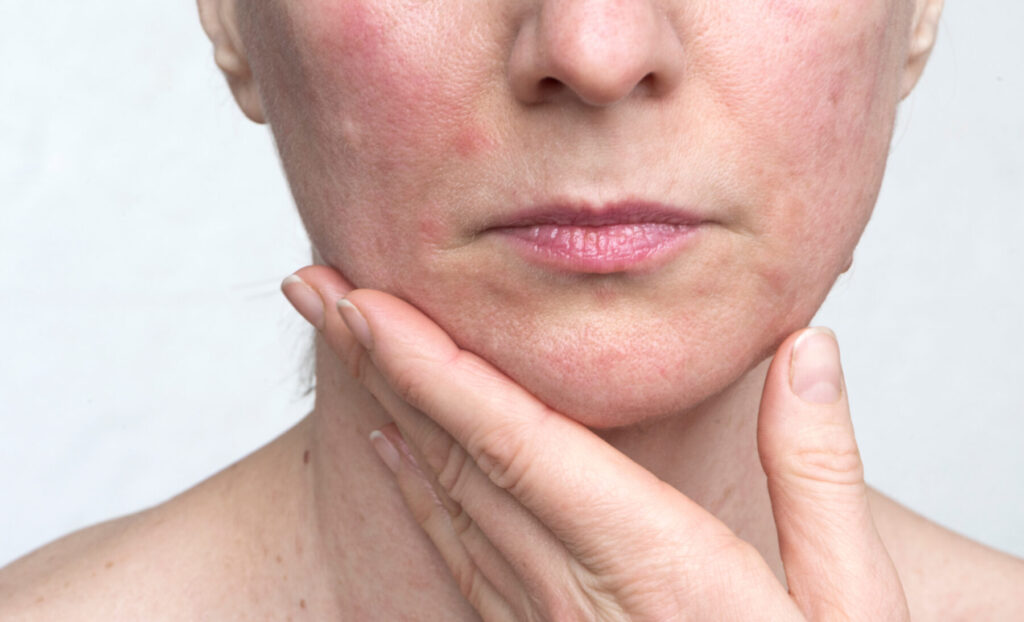
When these factors are present, the skin may respond with symptoms such as acne breakouts, dryness, redness, or irritation.
Exploring personalised nutrition for skin health allows these patterns to be assessed more carefully so that targeted dietary adjustments can be introduced.

How Does Gut Health Affect the Skin?
The connection between digestion and skin health is often referred to as the gut skin axis. The digestive system plays an important role in nutrient absorption, immune regulation, and inflammation control.
When digestive balance is disrupted, it can influence the appearance and function of the skin.
A healthy gut microbiome supports skin health nutrition by helping the body:
- Absorb nutrients effectively
- Regulate inflammation
- Maintain immune balance
- Produce beneficial metabolites
Foods that support gut health may include:
- Fermented foods
- Fibre-rich vegetables
- Whole grains
- Legumes
- Nuts and seeds
Those looking to explore digestive influences on skin health can learn more about nutritional therapy.
What Skin Conditions May Benefit From Personalised Nutrition?
Different skin concerns can have different underlying causes. A personalised approach considers diet, lifestyle, and metabolic factors that may be contributing to symptoms.
Examples of concerns that may be influenced by nutrition for healthy skin include:
- Acne
- Eczema
- Rosacea
- Dry or sensitive skin
- Premature skin ageing
While nutrition does not replace medical treatment, supporting the body with appropriate nutrients and dietary strategies may help improve skin resilience and overall health.
Which Nutrients Are Important for Skin Health?
Several nutrients contribute to maintaining healthy skin structure and function. A varied and balanced diet helps ensure the body receives these nutrients consistently.
Important nutrients for foods for healthy skin include:
- Omega 3 fatty acids – support hydration and barrier function
- Vitamin C – supports collagen formation
- Zinc – supports wound healing and immune balance
- Vitamin A – helps regulate skin cell production
- Polyphenols – support antioxidant defence
Foods rich in these nutrients include oily fish, berries, leafy greens, nuts, seeds, and colourful vegetables.
Maintaining nutrient diversity in the diet supports both skin health and overall wellbeing.
How Can Personalised Nutrition Improve Long-Term Skin Health?
Every person has unique nutritional needs based on their genetics, health history, lifestyle, and environment.
This is why personalised nutrition for skin health focuses on individual assessment rather than generic dietary advice.
A personalised approach may include evaluating factors such as:
- Dietary patterns
- Digestive health
- Stress levels
- Hormonal balance
- Nutrient intake
Addressing these areas can help create a targeted strategy that supports both internal health and skin appearance.
People seeking a deeper investigation into underlying health patterns may benefit from the root cause approach used in functional medicine.
Lifestyle Factors That Influence Skin Health
Nutrition is only one component of skin health. Lifestyle habits can also play a significant role in maintaining healthy skin.
Important lifestyle factors that support nutrition for healthy skin include:
- Maintaining adequate hydration
- Managing stress levels
- Supporting good sleep quality
- Avoiding excessive processed foods
- Maintaining balanced blood sugar levels
When combined with appropriate nutrition strategies, these habits may help improve overall skin resilience.

When Should You Consider Professional Support for Skin Health?
Occasional skin changes are common. However, persistent symptoms may indicate underlying imbalances that could benefit from professional guidance.
You may benefit from nutritional support if you experience:
- Persistent acne or breakouts
- Chronic skin inflammation
- Recurring eczema or rosacea
- Unexplained dryness or irritation
- Skin symptoms linked to hormonal changes
A structured assessment can help identify factors that may be influencing skin health nutrition, including nutrient intake, digestive health, and lifestyle patterns.
Individuals experiencing hormonal symptoms alongside skin changes may also explore thyroid and hormone support.
Personalised Skin Health Nutrition Support in Aberdeen
Understanding how personalised nutrition for skin health works can help support clearer, healthier skin while also improving overall wellbeing.
By addressing nutritional patterns, digestive health, and lifestyle factors, personalised strategies aim to support the body from within.
Livingspring Wellbeing provides personalised guidance for individuals seeking evidence-based strategies for skin health nutrition in Aberdeen.
If you would like support with your skin health and overall wellbeing, book your consultation now and explore how personalised nutrition may support long-term skin health.