

Perimenopause often begins years before menopause itself, usually in a woman’s late thirties or early forties. For some, symptoms are mild. For others, the hormonal changes can feel disruptive and unpredictable.
Understanding how Nutrition for Perimenopause in Aberdeen can support this transition gives women clarity and control at a time that often feels uncertain. Rather than simply managing symptoms, a structured and personalised nutritional approach can help stabilise blood sugar, support liver detoxification, reduce inflammation, and improve resilience.
If you are experiencing irregular cycles, low mood, poor sleep, or unexplained fatigue, exploring a targeted nutritional strategy may be one of the most practical and evidence-informed steps you can take.

What Is Perimenopause and Why Do Hormones Become Unstable?
Perimenopause is the transitional stage before menopause, when ovarian hormone production becomes inconsistent. Oestrogen and progesterone levels fluctuate rather than decline gradually.
These fluctuations can contribute to:
- Irregular or heavier periods
- Mood changes and anxiety
- Brain fog
- Hot flushes
- Reduced stress tolerance
- Weight redistribution around the abdomen
- Disrupted sleep
Research shows that fluctuating oestrogen levels influence neurotransmitters such as serotonin and dopamine, which explains why emotional symptoms often appear before physical ones.
A functional approach to nutrition for perimenopause focuses on supporting the body systems that regulate these hormonal shifts rather than suppressing symptoms alone.
How Does Nutrition for Perimenopause Support Hormonal Balance?
Hormones rely on nutrients for their production, transport, and elimination. If blood sugar fluctuates frequently or key micronutrients are insufficient, symptoms often intensify.
A structured nutritional plan for hormonal balance naturally in Aberdeen typically prioritises:
- Stable insulin levels
- Adequate protein intake
- Efficient oestrogen clearance
- Nervous system regulation
- Reduced systemic inflammation
Blood sugar stability is one of the most underestimated contributors to symptom improvement. When insulin spikes frequently, cortisol levels rise. Elevated cortisol can disrupt progesterone production and intensify anxiety, sleep disturbance, and central weight gain.
By stabilising blood sugar and supporting adrenal health, many women notice improved energy and mood within weeks.
If you would like to understand how this is assessed within a personalised framework, you can learn more about our approach through our Nutritional Therapy service.
What Should a Perimenopause Diet Include?
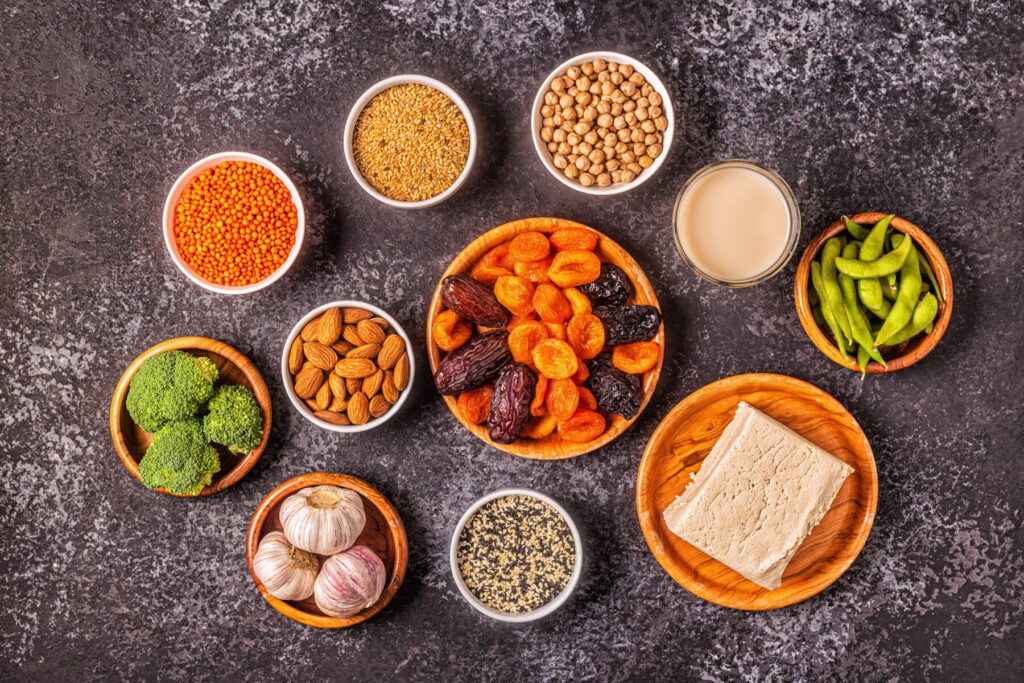
There is no single universal diet for perimenopause. However, a balanced and nutrient-dense structure is consistently beneficial.
Protein at Every Meal
Protein supports blood sugar stability and muscle maintenance, which becomes increasingly important during midlife.
Cruciferous Vegetables
Broccoli, kale, and cabbage support liver detoxification pathways involved in oestrogen metabolism.
Omega-3 Fatty Acids
Found in oily fish, flaxseed, and walnuts, omega 3 fats help reduce inflammation and support cognitive function.
Magnesium Rich Foods
Pumpkin seeds, leafy greens, and almonds can support sleep and nervous system regulation.
Fibre
Adequate fibre supports gut health and assists in the removal of excess oestrogen.
This structured approach to perimenopause diet in Aberdeen focuses on nourishment rather than restriction.
Why Is Blood Sugar So Important During Perimenopause?
Blood sugar instability can amplify almost every perimenopausal symptom.
When glucose levels rise sharply and then fall rapidly, women may experience:
- Irritability
- Energy crashes
- Increased cravings
- Heightened anxiety
- Poor sleep
Stabilising blood sugar through balanced meals, regular eating patterns, and appropriate macronutrient ratios is foundational within Nutrition for Perimenopause.
Simple strategies include:
- Avoiding skipping meals
- Pairing carbohydrates with protein and fat
- Reducing ultra-processed foods
- Eating within a consistent daily rhythm
For women who also suspect thyroid involvement, further evaluation may be beneficial. You can explore this in more detail through our Thyroid and Hormones service.
Can Functional Testing Help During Perimenopause?
In some cases, yes.
Not all symptoms attributed to perimenopause are purely hormonal. Vitamin D insufficiency, iron imbalance, thyroid dysfunction, and elevated stress hormones can all contribute to fatigue and mood changes.
Targeted assessment through functional testing can help identify underlying contributors. This may include:
- Thyroid panels
- Vitamin D testing
- Iron studies
- Cortisol rhythm testing
- Gut microbiome analysis
For women seeking clarity, understanding whether symptoms stem from hormone fluctuation alone or from additional metabolic factors can be reassuring and empowering.
To understand how this wider root cause approach works, you can read about our Functional Medicine framework.
Is Weight Gain During Perimenopause Inevitable?
Weight redistribution is common during midlife due to changes in insulin sensitivity and progesterone levels. However, it is not inevitable.
A structured plan for hormonal balance naturally includes:
- Adequate protein intake
- Resistance-based movement
- Blood sugar stability
- Sleep optimisation
- Stress reduction
Chronic stress can significantly influence abdominal weight gain. Elevated cortisol encourages fat storage centrally and disrupts sleep quality. Addressing stress regulation alongside nutritional intake is therefore critical.
How Does Gut Health Influence Perimenopause Symptoms?
The gut microbiome plays a role in oestrogen recycling through what is known as the oestrobolome. When gut diversity is compromised, excess oestrogen may be reabsorbed into circulation.
Supporting gut health through fibre, fermented foods, and adequate hydration can enhance hormonal regulation.
Women experiencing digestive symptoms alongside hormonal shifts may benefit from exploring gut focused strategies similar to those outlined in our digestive support resources.
When Should You Seek Professional Support?
You may benefit from structured support if:
- Symptoms are affecting work or relationships
- Mood changes feel unpredictable
- Fatigue is persistent
- Period changes are severe
- You feel dismissed or unsupported
A personalised plan can provide direction, structure, and reassurance.
Why Choose Livingspring Wellbeing for Nutrition for Perimenopause?
At Livingspring Wellbeing, we take a functional and evidence based approach to women’s health.
Our work focuses on:
- Identifying root causes
- Personalised nutritional planning
- Appropriate testing where needed
- Collaboration with medical professionals
- Sustainable, long term strategies
We do not provide generic meal plans. We create structured programmes tailored to your physiology, symptoms, and goals.
Book Your Consultation for Nutrition for Perimenopause in Aberdeen
Perimenopause does not have to feel confusing or overwhelming. With the right support, it can become a period of informed transition rather than disruption.
If you are ready to explore a personalised approach to hormonal balance, book your consultation now and take the first step towards clarity and stability.
Contact us today to arrange your appointment.